Winter Wellness Advice
Caring for Mental Health in the Pacific Northwest Winter
Winter in the Pacific Northwest has a personality of its own. Short days, persistent cloud cover, and frequent rain can feel both cozy and heavy, often challenging mental health in subtle but meaningful ways. While the darker months can slow our pace and invite rest, they can also contribute to low mood, fatigue, and isolation. Maintaining mental health during this season requires intention, self-compassion, and a willingness to work with the environment rather than against it.
One of the most effective tools for supporting mental well-being during PNW winters is embracing natural light whenever possible. Even on overcast days, spending time outdoors helps regulate circadian rhythms and supports serotonin production. A short walk during daylight hours, sitting near a window, or starting the day with curtains open can make a noticeable difference. Many people also benefit from light therapy lamps, which mimic sunlight and can help counter seasonal affective symptoms.
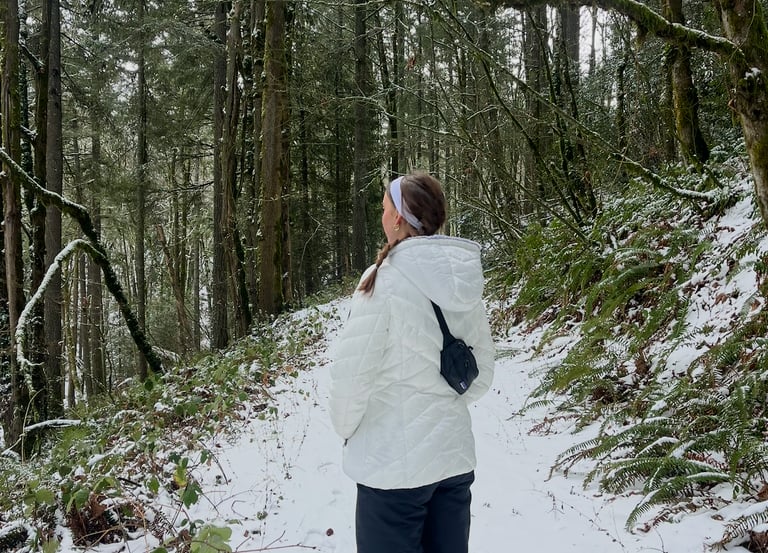
Staying connected to nature remains essential, even when conditions are less than ideal. The forests, coastlines, and trails of Oregon and Washington are especially calming in winter, offering quiet beauty and fewer crowds. Dressing warmly and getting outside — whether for a rain-soaked hike, a neighborhood walk, or a visit to a local park — can ground the nervous system and reduce stress. Nature doesn’t disappear in winter; it simply shifts, and learning to appreciate that slower rhythm can be deeply restorative.
Movement is another key factor. Shorter days often disrupt routines, but gentle, consistent movement supports both mental and physical health. This doesn’t have to mean intense workouts; yoga, stretching, walking, or low-impact strength training can all boost mood through endorphin release. Movement also helps counter the sluggishness that can accompany long periods indoors.
Nutrition plays a quiet but powerful role in mental health during winter. Prioritizing warm, nourishing meals rich in whole foods — such as soups, roasted vegetables, healthy fats, and fermented foods — supports gut health, which is closely connected to mood regulation. Staying hydrated and ensuring adequate intake of vitamin D, either through food or supplementation when appropriate, can also be helpful during months with limited sun exposure.
Equally important is tending to emotional and social needs. Winter can amplify feelings of isolation, so intentionally nurturing connections matters. This may look like weekly check-ins with friends, cozy gatherings, shared meals, or simply reaching out when things feel heavy. Creating small rituals — morning tea, journaling, evening reading, or mindfulness practices — can provide structure and comfort during darker days.
Ultimately, caring for mental health during Pacific Northwest winters is about honoring the season rather than resisting it. Slowing down, adjusting expectations, and allowing rest can be acts of resilience, not weakness. By staying connected to light, movement, nourishment, nature, and community, winter can become a time of quiet restoration — a season that supports reflection, balance, and emotional well-being rather than depletion.